

Strategic design solutions for interiors play a crucial role in shaping spaces that are functional, efficient, and visually refined. Whether in residential, commercial, or hospitality environments, a well-planned interior design strategy ensures that every element works together to create a cohesive and purposeful space.
Interior design today goes beyond decoration. It involves thoughtful planning, technical understanding, and a clear vision to transform ideas into structured and practical environments.
Why Strategic Interior Design Matters
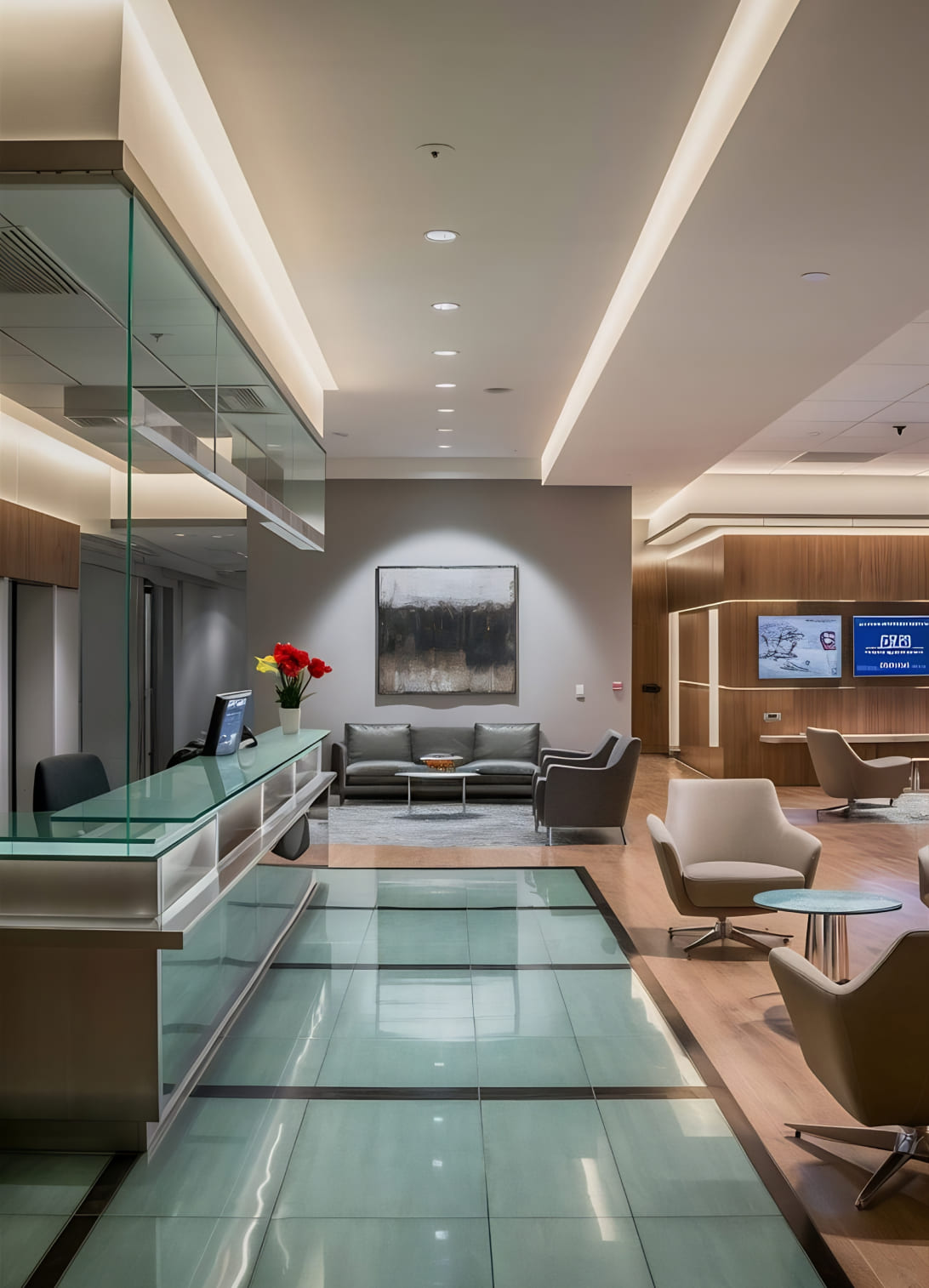
A strategic approach to interior design ensures that aesthetics and functionality are balanced. By analyzing space usage, circulation flow, lighting, and material selection, designers can create interiors that improve comfort, productivity, and long-term usability.
In commercial projects, strategic interior solutions strengthen brand identity and enhance operational efficiency. In residential spaces, they improve lifestyle quality by optimizing layout and creating harmony between spaces.
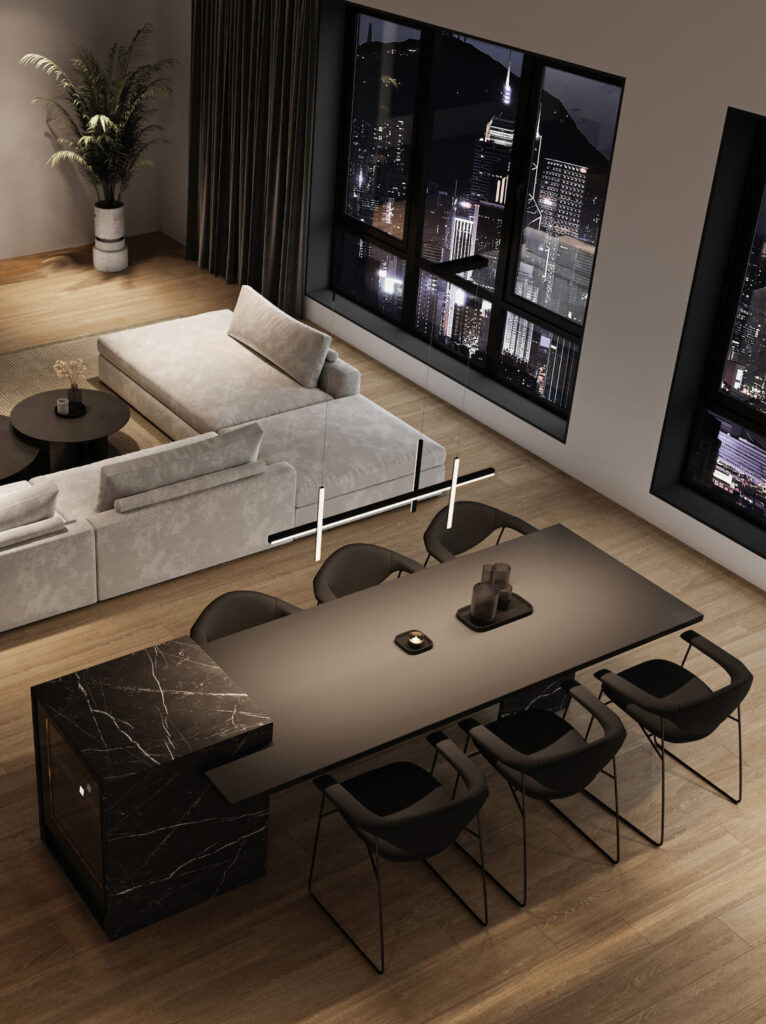
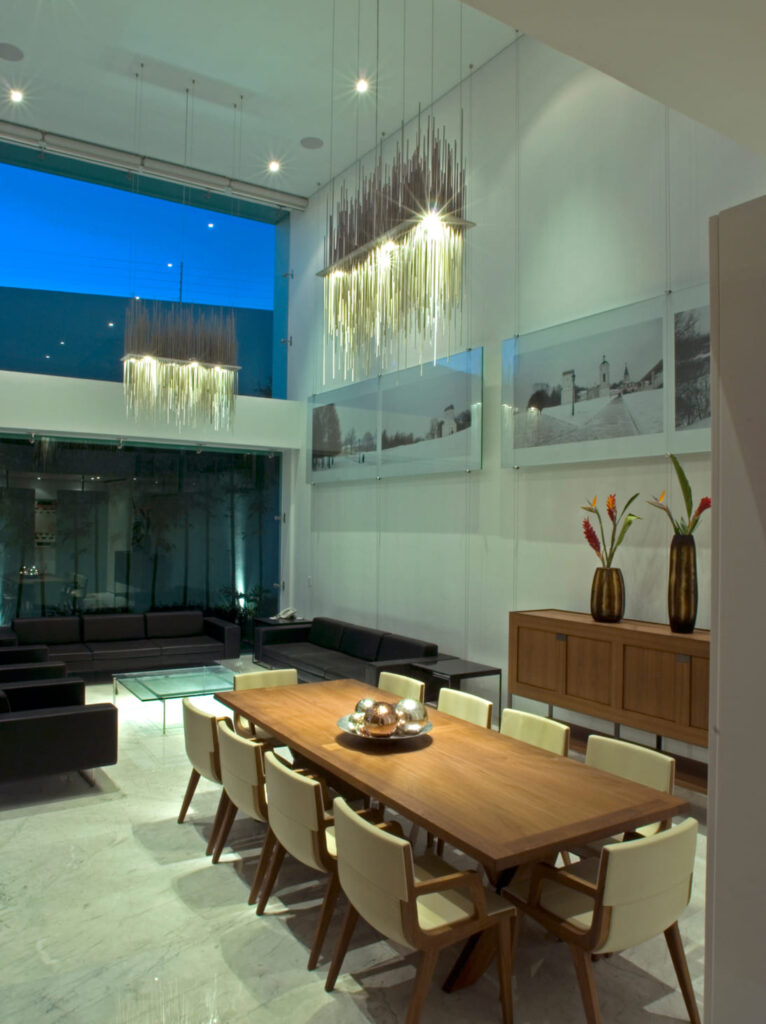
Beyond immediate visual impact, strategic interior design also supports sustainability and future adaptability. Thoughtful planning reduces unnecessary renovations, improves energy efficiency, and ensures that spaces can evolve with changing needs. This forward-thinking approach delivers long-term value while maintaining design integrity and performance.
The Role of Vision and Planning in Interior Design
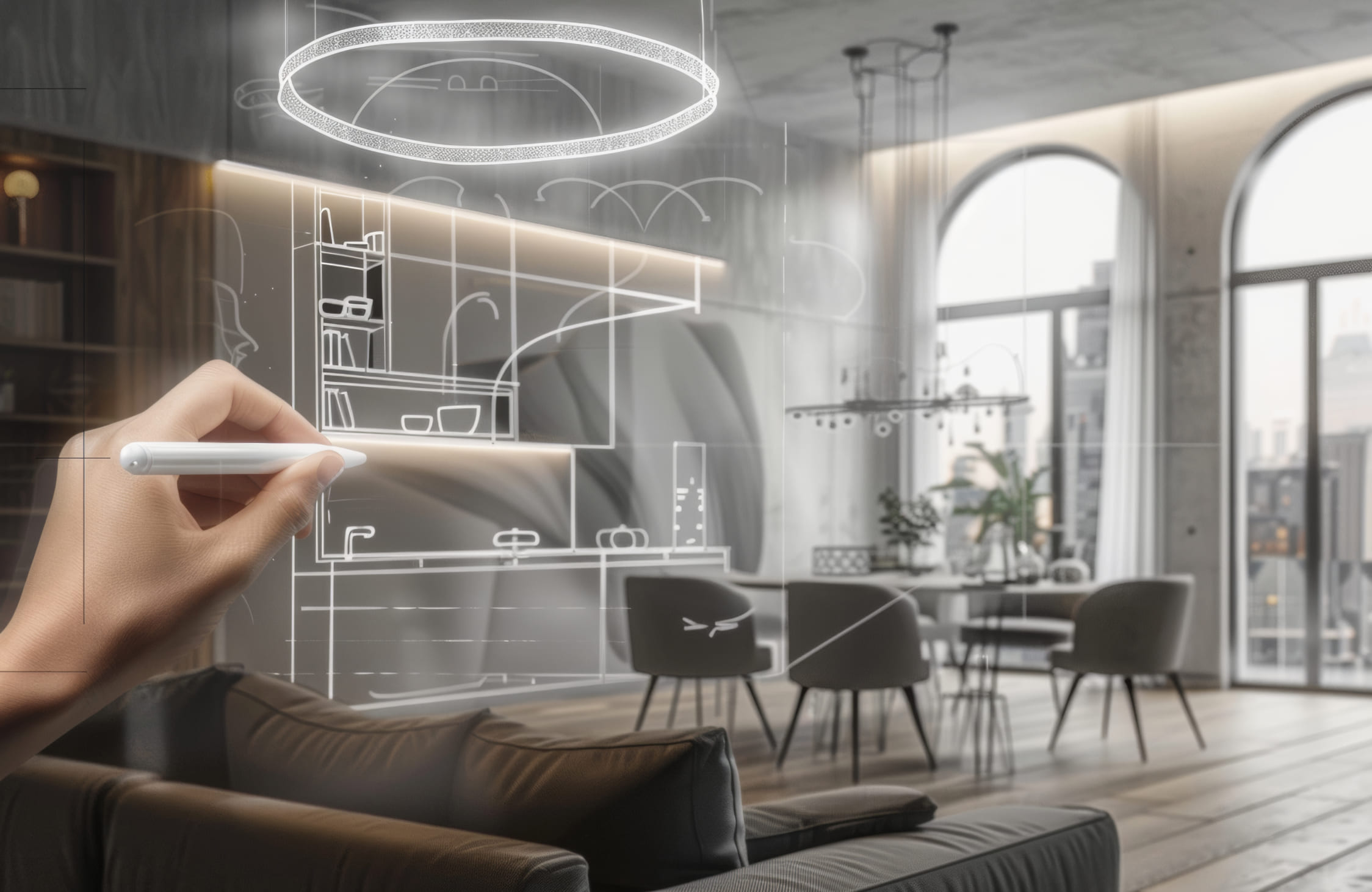
Successful interior design begins with a clear vision supported by detailed planning. A strategic framework allows designers to understand client objectives, functional requirements, and spatial limitations before execution begins. This structured process ensures that every element — from layout configuration to finishing details — aligns with the overall concept and purpose of the space. By combining creativity with technical precision, strategic planning transforms ideas into cohesive environments that are both visually compelling and highly functional.
Our Strategic Design Approach
Once the brief was in, Minnaro matched the client with two professionals—Sharné L. and Esra S. Each designer boasted a consistent record of translating minimal input into focused, livable interiors. The contrast between their moodboards was subtle but meaningful, giving the client two compelling directions for the relaxing bedroom design.
Esra leaned into soft symmetry and a slightly more formal tone. Her proposal paired sculptural lines with warm neutrals and crisp lighting, shaping a space that felt composed and grown-up. In contrast, Sharné’s vision was quieter in mood but richer in atmosphere.
Conclusion
Strategic design solutions for interiors go beyond visual appeal — they create environments that are efficient, adaptable, and built to perform. By combining thoughtful planning with creative vision, interior spaces can achieve a perfect balance between functionality and refined aesthetics.
At Loft Interiors, we believe that every successful project begins with strategy. Through careful analysis, technical expertise, and a commitment to excellence, we deliver interiors that not only meet present needs but also provide long-term value. Our goal is to create purposeful spaces that inspire, perform, and stand the test of time.

I look forward to seeing how these developments will improve service levels and customer satisfaction in the freight industry!