
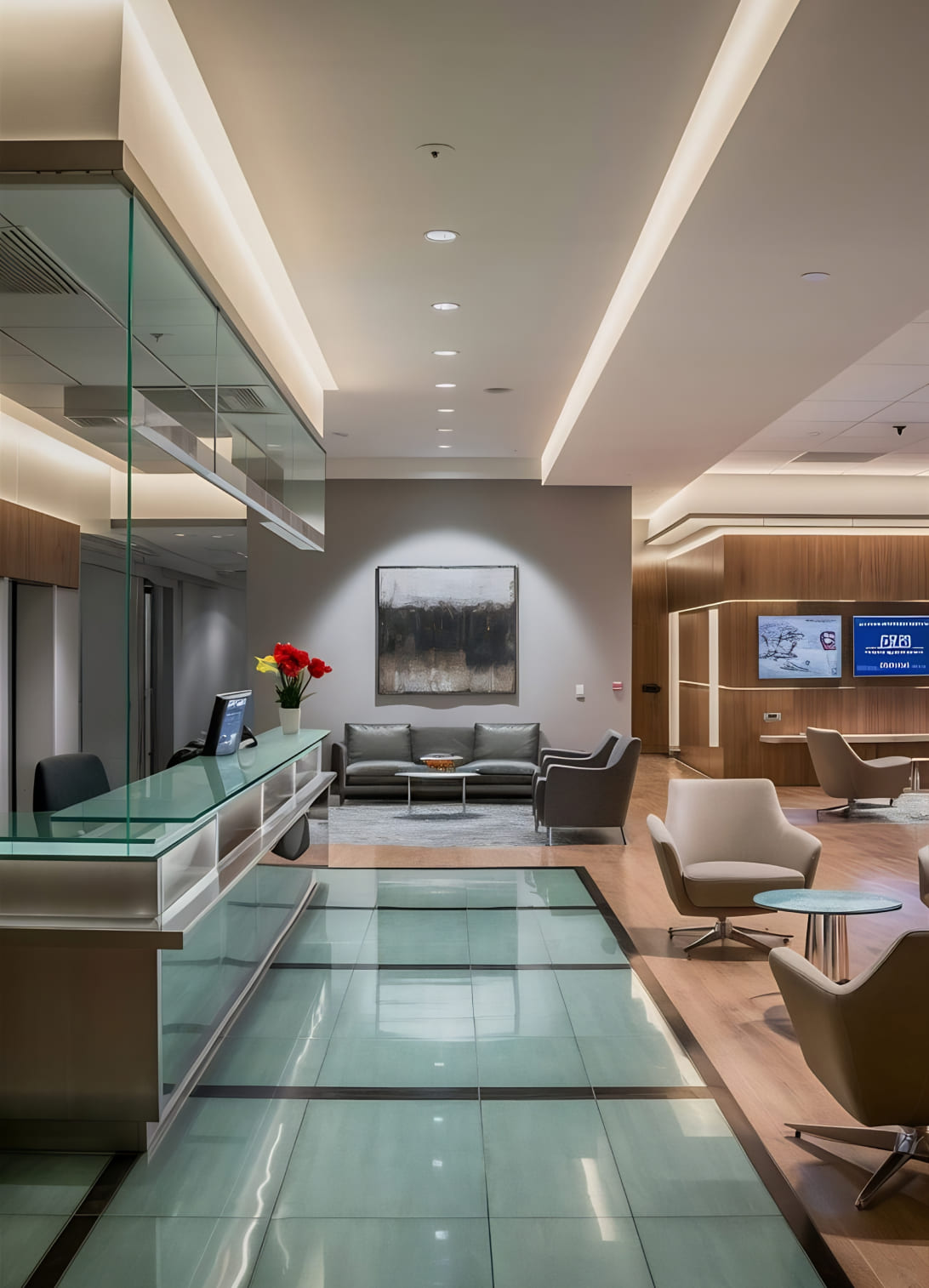
Smart space planning for interiors is the foundation of functional and visually balanced environments. Whether designing residential homes, commercial offices, or hospitality spaces, thoughtful planning ensures that every area serves a purpose while maintaining comfort and efficiency.
Interior design is not only about aesthetics—it begins with understanding how people move, interact, and experience a space. Strategic planning transforms empty layouts into environments that feel intuitive, organized, and purposeful.
Why Space Planning Is Essential
Effective space planning improves circulation, maximizes usable areas, and enhances overall user experience. Poorly arranged layouts can lead to wasted space, reduced functionality, and operational challenges.
In residential interiors, smart planning creates better living flow, improved storage efficiency, and enhanced daily comfort. In commercial spaces, it supports productivity, collaboration, and optimized workflow. By aligning design intent with functional requirements, space planning directly influences the overall success and performance of a space.
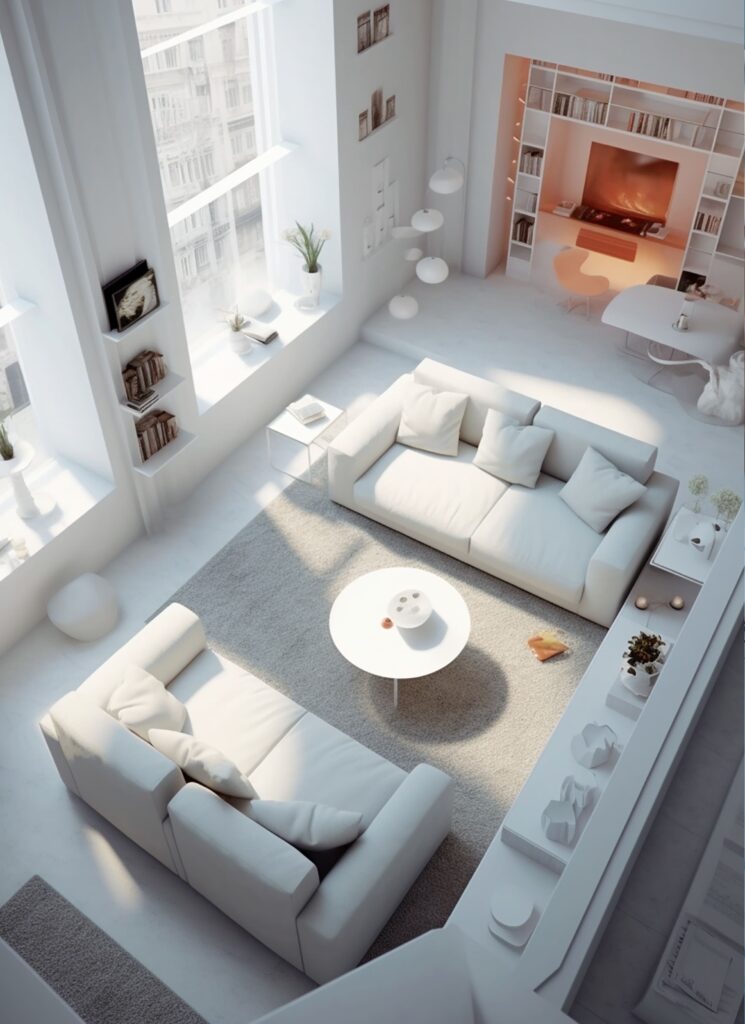
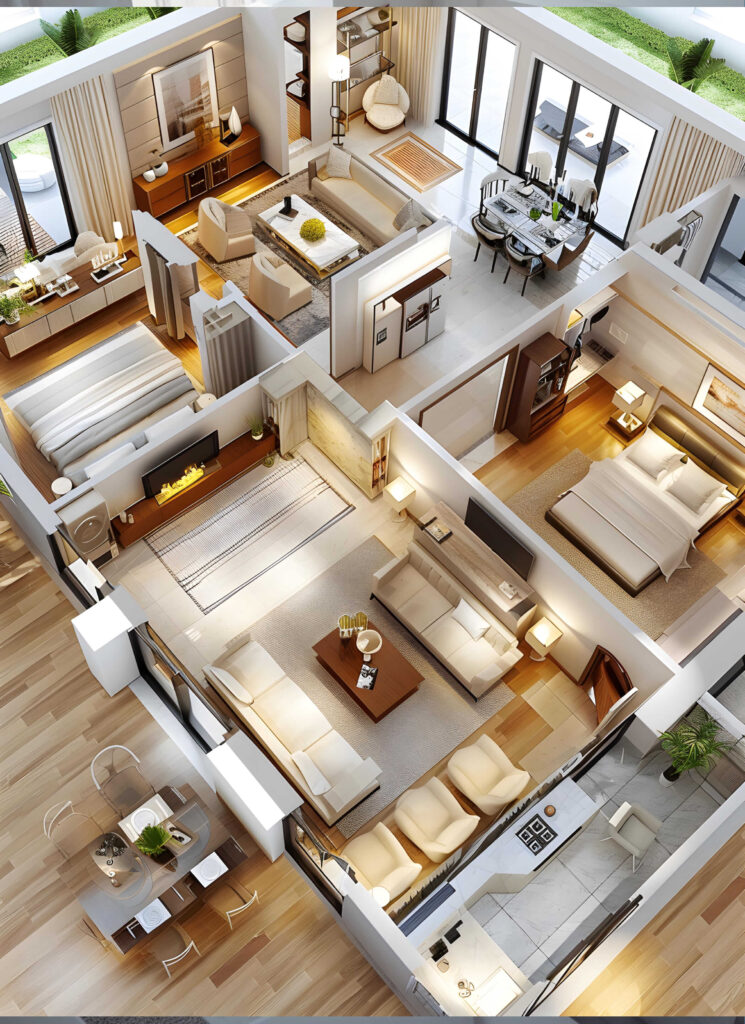
Beyond functionality, strategic space planning also contributes to visual balance and emotional comfort. Proper proportion, alignment, and spatial organization create interiors that feel open, structured, and harmonious. When every area is intentionally designed, the environment becomes more intuitive to navigate, more efficient to use, and more enjoyable to experience over time.
Maximizing Efficiency Through Intelligent Layouts
Intelligent layout design plays a critical role in optimizing both small and large interior spaces. By carefully evaluating proportions, furniture placement, and functional requirements, designers can eliminate underutilized areas and create a seamless spatial experience. Every square foot is strategically planned to serve a defined purpose while maintaining visual clarity.
Efficient layouts also improve accessibility and adaptability. Whether accommodating growing families, expanding teams, or evolving business needs, well-planned interiors remain flexible and practical over time. This structured approach ensures that spaces are not only aesthetically balanced but also highly efficient and future-ready.
Strategic Zoning for Better Functionality
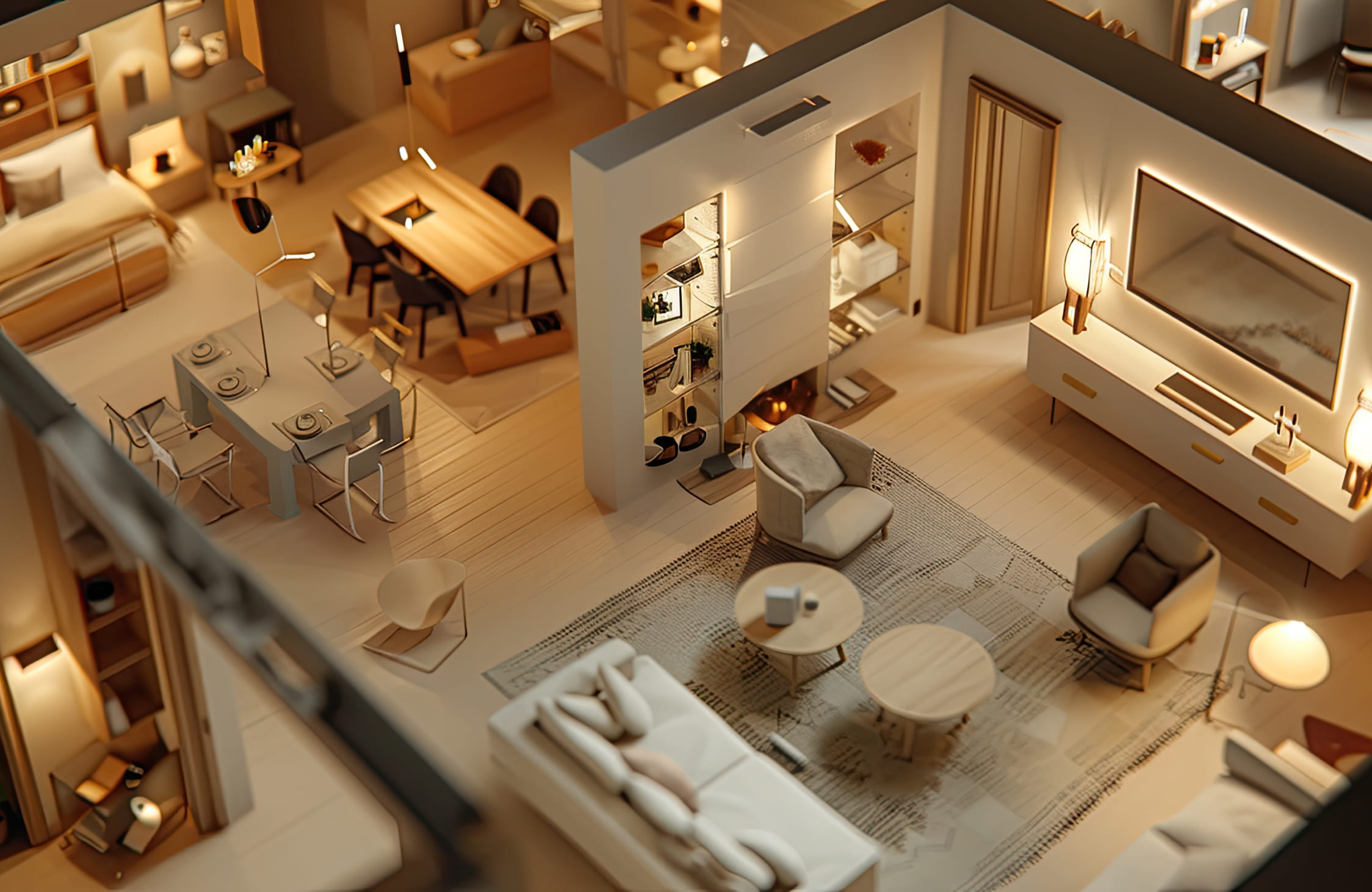
Strategic zoning is a fundamental aspect of smart space planning. By clearly defining functional areas within an interior, designers create organized environments that improve usability and clarity. Thoughtful zoning ensures that private, semi-private, and shared areas are positioned logically, reducing disruptions and enhancing overall comfort.
In residential spaces, zoning separates relaxation, work, and entertainment areas for improved lifestyle balance. In commercial interiors, it supports team collaboration while maintaining focused work zones. A well-zoned interior enhances both performance and spatial harmony.
Conclusion
Smart space planning is the backbone of successful interior design. It transforms empty layouts into structured, efficient, and purpose-driven environments that support daily activities and long-term adaptability. When design decisions are guided by strategy and functionality, interiors become more intuitive, comfortable, and visually balanced.
At Loft Interiors, we prioritize intelligent planning and precision to create interiors that maximize space, enhance usability, and deliver lasting value. Our structured approach ensures every project achieves both functional excellence and refined aesthetics.



I look forward to seeing how these developments will improve service levels and customer satisfaction in the freight industry!