
A
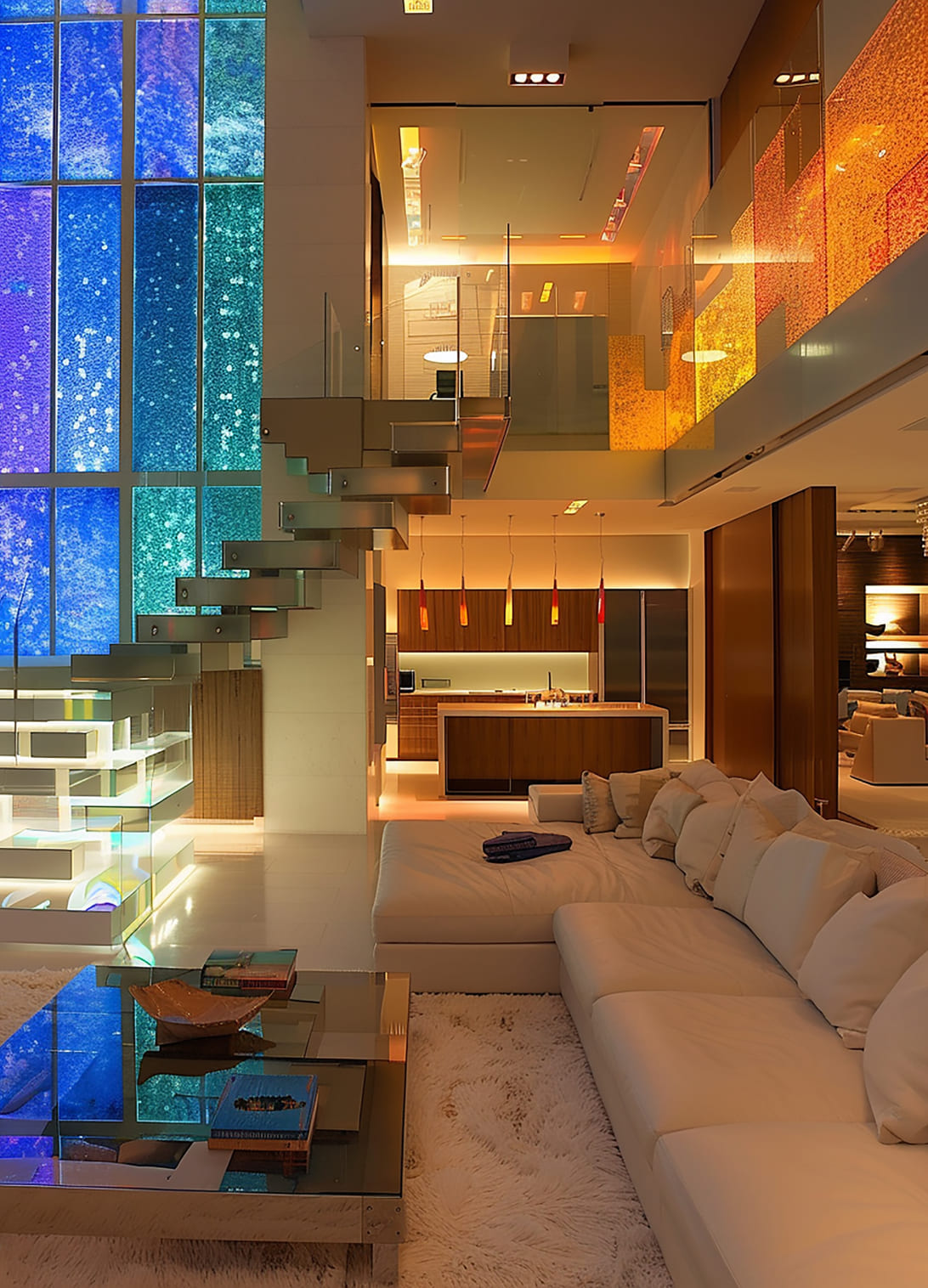
Architectural design solutions for interiors integrate structural understanding with creative vision to shape spaces that are both functional and aesthetically refined. Unlike decorative approaches, architectural interior design focuses on spatial structure, proportions, materials, and technical integration to create cohesive environments.
By combining architectural principles with interior detailing, spaces become more purposeful, efficient, and aligned with long-term performance goals.
The Importance of Architectural Thinking in Interiors
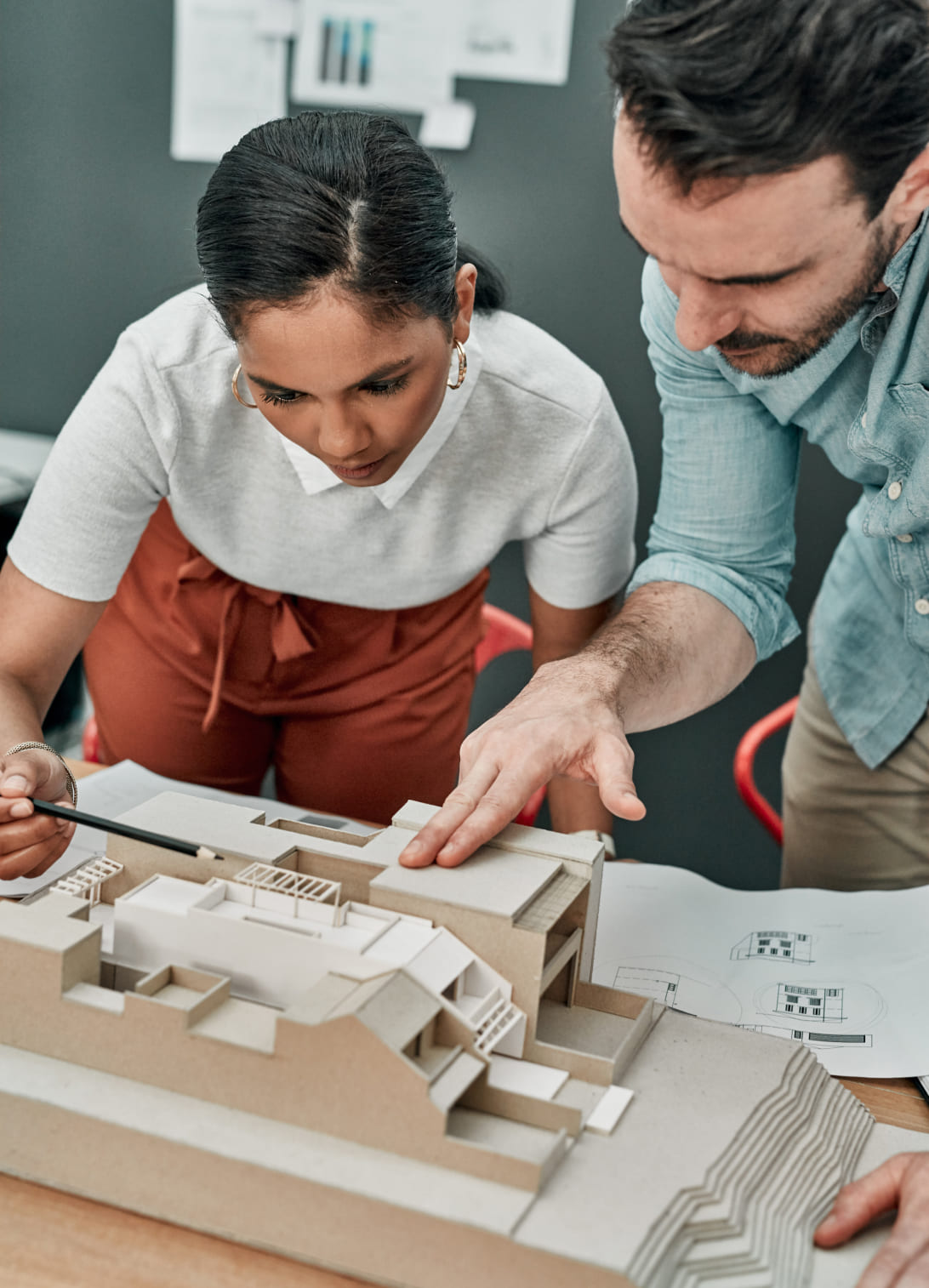
Architectural design within interiors ensures that spatial planning, structural elements, and built components work together harmoniously. It goes beyond surface finishes and furniture placement, addressing ceiling treatments, partition systems, built-in features, and structural enhancements.
This approach enhances spatial clarity, improves movement flow, and strengthens the relationship between interior environments and overall building architecture. The result is a balanced and well-integrated space that feels intentional and structurally cohesive.
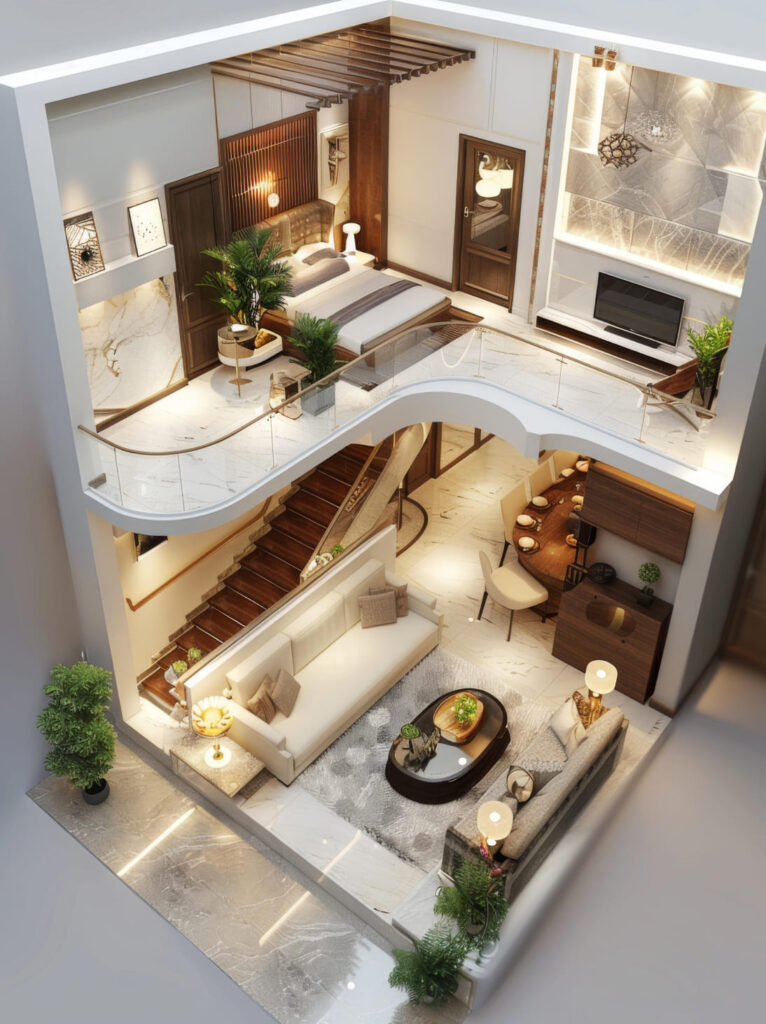
By incorporating architectural thinking from the early design stages, potential technical conflicts can be minimized and structural limitations can be transformed into design opportunities. Careful consideration of proportions, load-bearing elements, ceiling heights, and natural light sources allows interiors to achieve both functional efficiency and visual sophistication. This integrated methodology ensures that the space performs seamlessly while maintaining a strong architectural identity.
Structural Integration & Spatial Identity
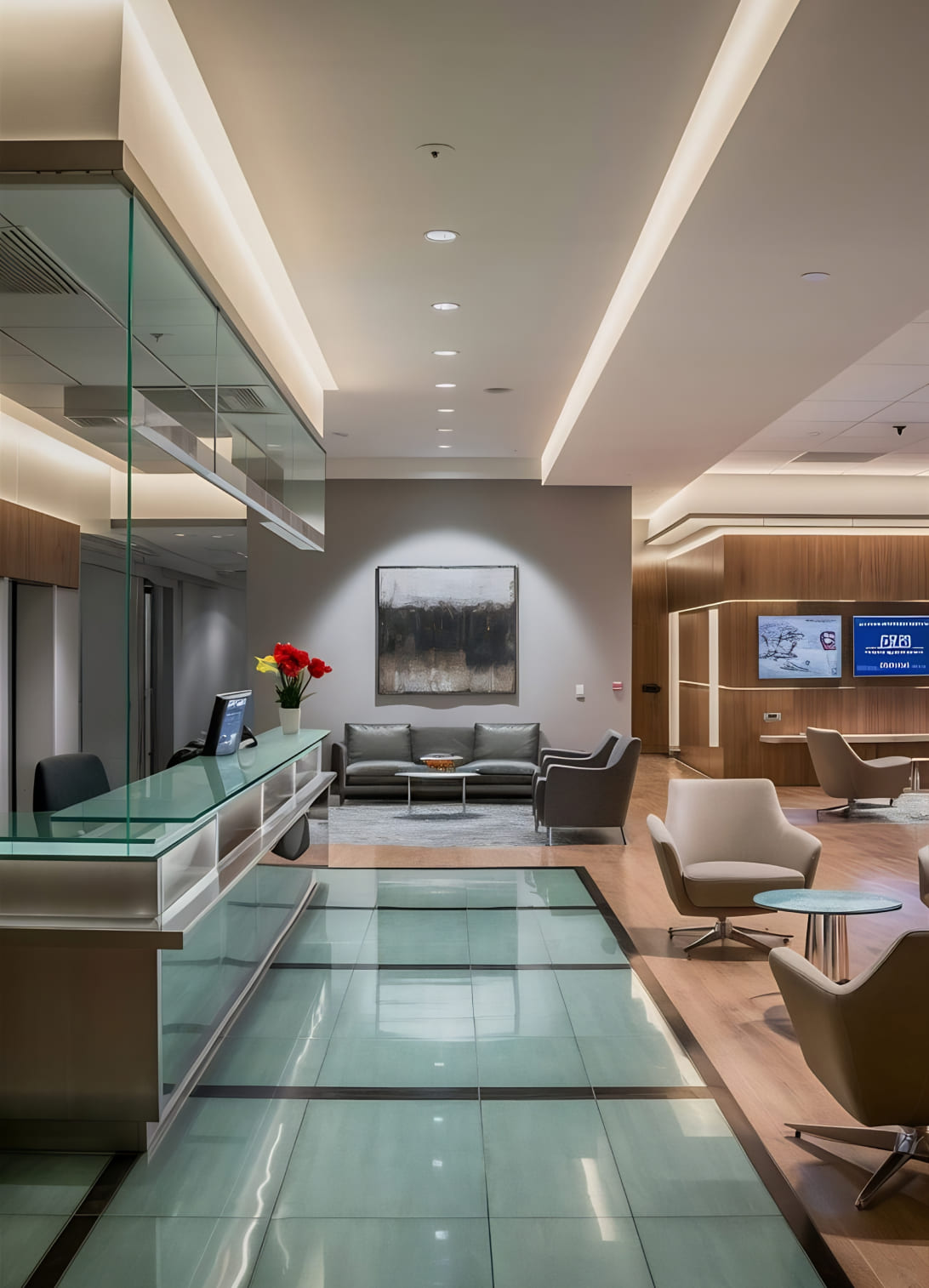
Architectural interior solutions focus on creating a strong spatial identity by integrating structural elements with interior design concepts. Walls, ceilings, columns, and built-in components are treated as design features rather than limitations. This approach ensures that structural frameworks contribute to the overall aesthetic and functional direction of the space.
By thoughtfully coordinating architectural detailing with interior finishes, designers create environments that feel cohesive and purposeful. Structural integration enhances visual continuity, reinforces design consistency, and delivers interiors that reflect both technical precision and refined character.
Technical Coordination & Design Precision
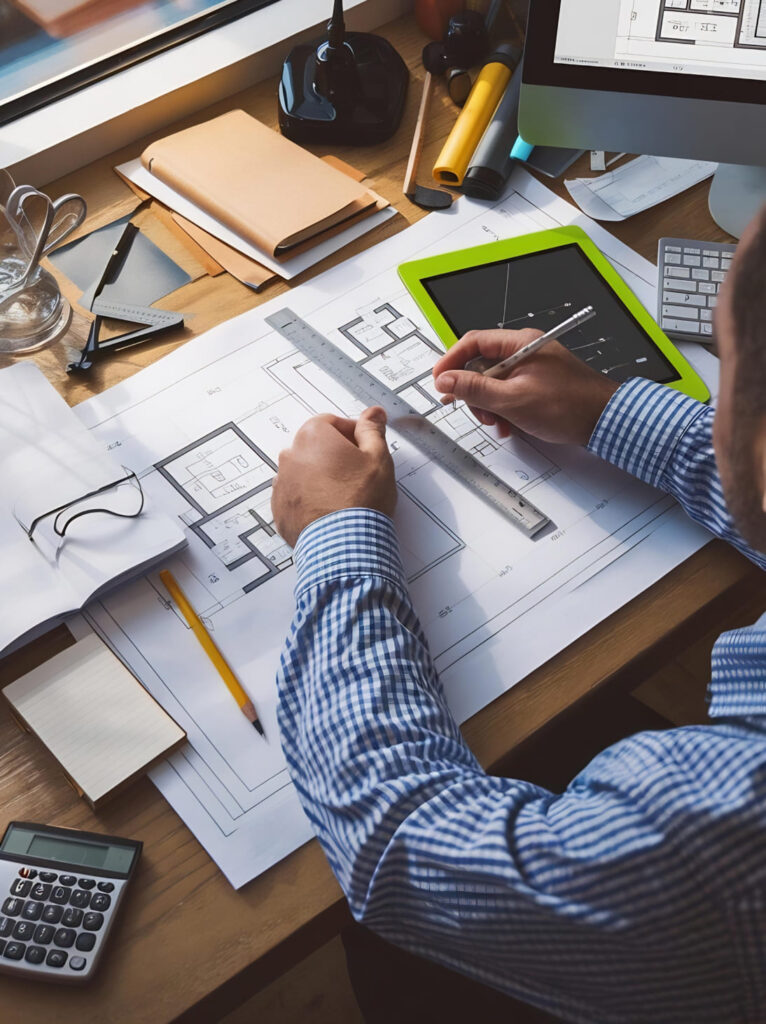
Architectural interior projects require close coordination between design intent and technical execution. Detailed drawings, structural considerations, and alignment with mechanical, electrical, and plumbing systems ensure that the space functions seamlessly. Precision during planning and documentation minimizes construction errors and protects the integrity of the architectural concept.
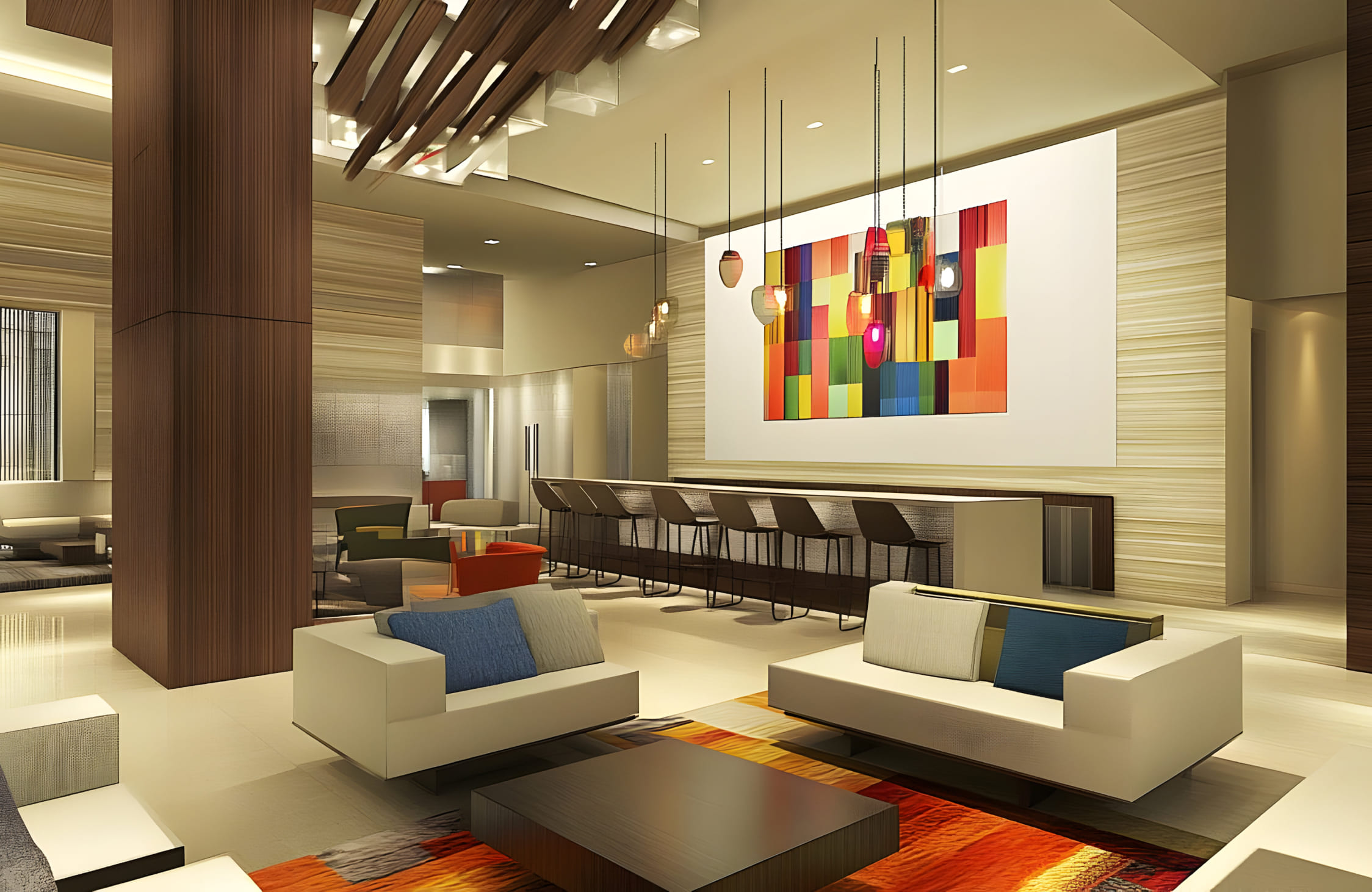
Through systematic coordination and disciplined oversight, each element — from partitions and ceiling systems to lighting integration and material transitions — is executed with clarity and accuracy. This level of precision strengthens both performance and aesthetic consistency.
Conclusion
Architectural design solutions for interiors create spaces that are structured, cohesive, and purpose-driven. By integrating architectural principles with interior detailing, environments achieve a balance between structural integrity and refined aesthetics.
At Loft Interiors, we approach every project with architectural insight, technical expertise, and strategic planning. Our commitment to precision and coordination ensures that each interior is thoughtfully designed, seamlessly executed, and built to deliver long-term value and lasting impact.

I look forward to seeing how these developments will improve service levels and customer satisfaction in the freight industry!
Comments are closed.